
- 1
- 1
- 1


We craft unforgettable safari and adventure experiences across East Africa. Where luxury meets the wild.
We craft unforgettable safari and adventure experiences across East Africa. Where luxury meets the wild.
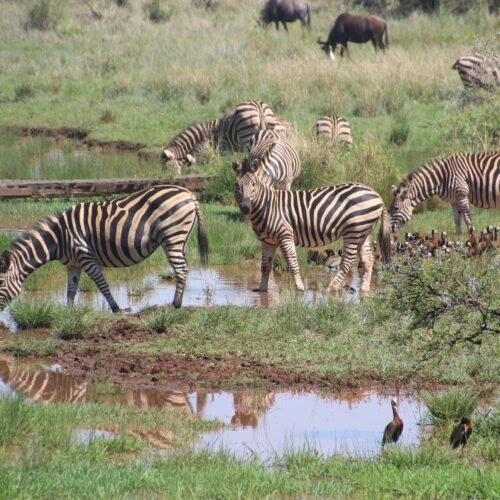
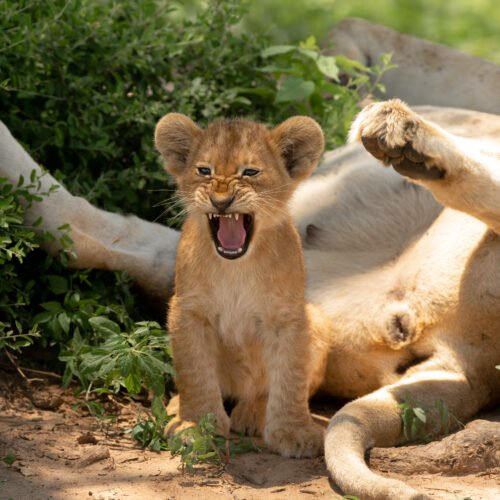
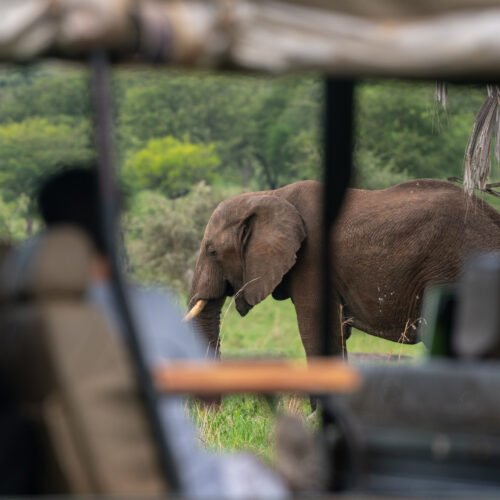
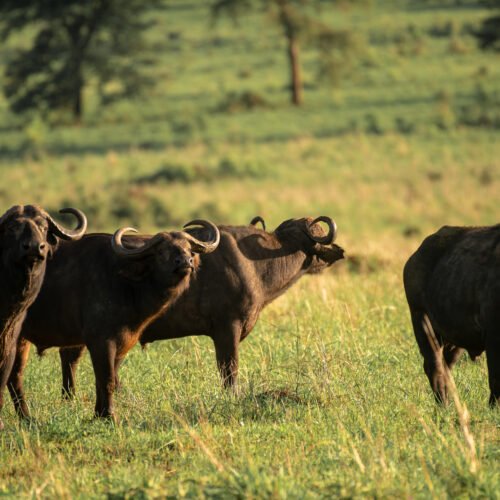
Serengeti National Park is Tanzania’s most famous protected area and one of the most significant wildlife ecosystems on the planet. Covering 14,763 square kilometres of endless golden grassland, kopjes, woodland and riverine forest in northern Tanzania, the Serengeti forms the southern half of the greater Serengeti Mara ecosystem that stretches north into Kenya’s Maasai Mara. The park is the stage for the annual wildebeest migration, the largest movement of land animals on earth, where over 1.5 million wildebeest and hundreds of thousands of zebras and gazelles follow the rains in a continuous loop across the ecosystem. Predator densities in the Serengeti are among the highest in Africa, with large lion prides, leopards draped over acacia branches, cheetahs sprinting across open plains and hyena clans patrolling the night. The central Seronera Valley offers year round wildlife viewing while the northern Mara River zone peaks during the river crossings between July and October. The southern short grass plains around Ndutu are prime cheetah and wild dog territory from December to March. The Serengeti is not just a park. It is a living, breathing definition of what wild Africa looks and feels like.