
- 1
- 1
- 1


We craft unforgettable safari and adventure experiences across East Africa. Where luxury meets the wild.
We craft unforgettable safari and adventure experiences across East Africa. Where luxury meets the wild.
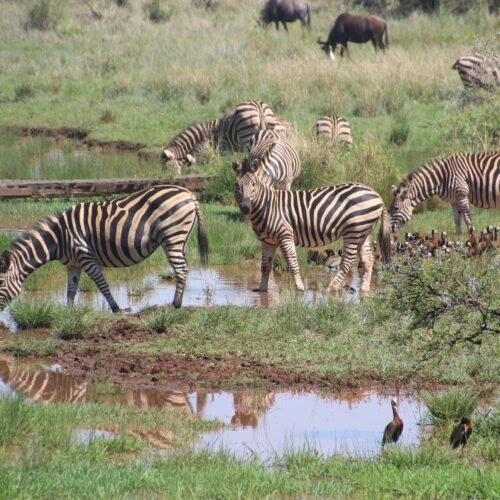
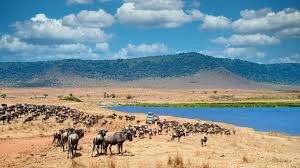
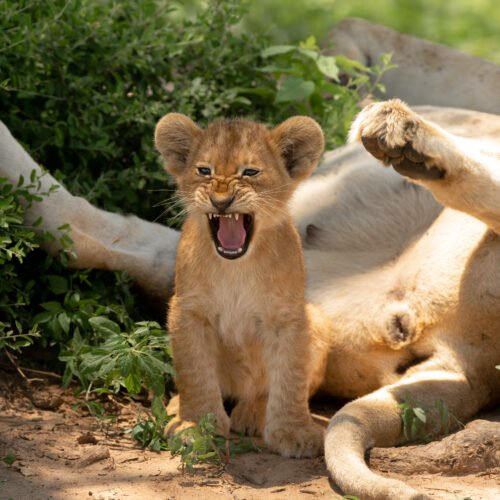
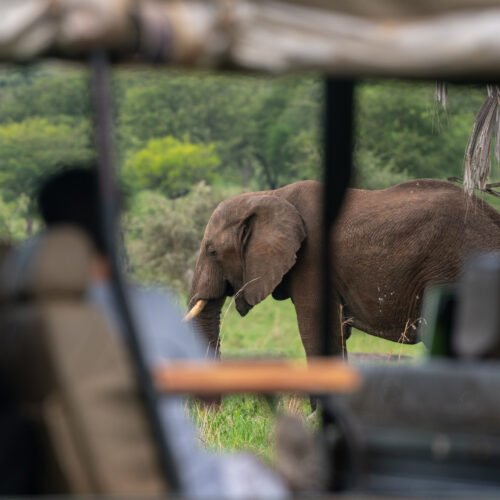
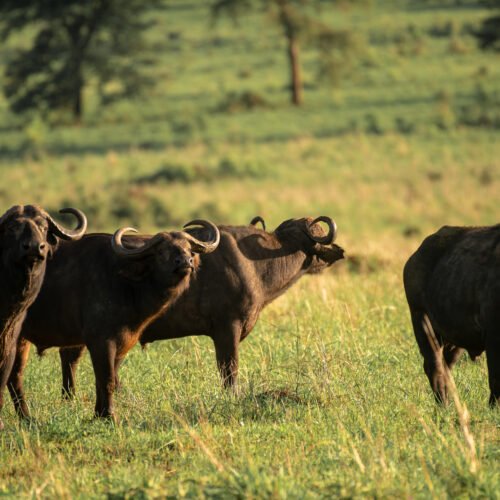
The Ngorongoro Crater is one of the natural wonders of the world and Tanzania’s most extraordinary safari destination. Formed roughly two to three million years ago when a massive volcano collapsed inward, the crater measures 19 kilometres across and 600 metres deep, creating a self contained ecosystem that supports an astonishing concentration of wildlife within its walls. An estimated 25,000 large animals live within the crater year round including the Big Five, with one of Africa’s densest lion populations and a critically endangered black rhino population that has survived against the odds. The crater floor is a mosaic of open grassland, acacia woodland, swamp and soda lake that shifts with the seasons and keeps the wildlife in a constant state of movement. Descending into the crater on a morning game drive, with mist lifting off the walls and the vast floor spreading out below, is one of those moments that stops you completely. Ngorongoro is managed as a conservation area rather than a national park, meaning Maasai pastoralists live alongside the wildlife in a balance that has existed for generations. It is ancient, dramatic and utterly unlike anywhere else on earth.